Designing high-frequency circuits? Core losses from traditional inductors can kill your performance. This leads to signal distortion and unreliable products. Air core inductors offer a simple solution.
An air core inductor is a coil of wire without a solid magnetic core. It uses air or a non-magnetic material like plastic as its core. This design eliminates core losses, making them ideal for high-frequency applications like radio circuits where a high Q factor is crucial.
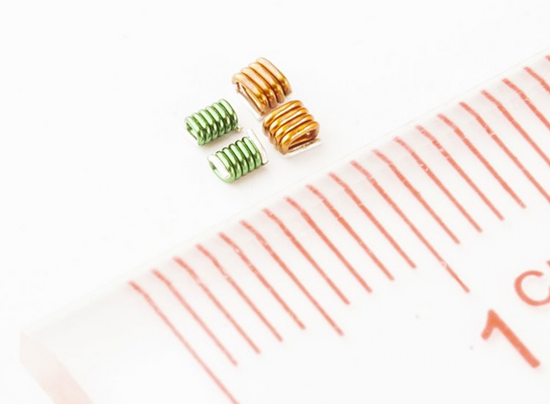
So, air core inductors are great for high-frequency work. But how do they actually compare to their cored counterparts, and what makes them tick? Understanding these details will help you choose the right component for your next project. Let's dive deeper into the specifics.
How Do Air Core Inductors Differ from Other Inductor Types?
Choosing the right inductor feels overwhelming with so many types available. Picking the wrong one means poor circuit performance, wasted time, and costly redesigns. Understanding the core differences simplifies your choice.
The main difference is the core material. Air core inductors use air, eliminating core-related losses. Other types use magnetic materials like ferrite to increase inductance, but this introduces losses at high frequencies. Air cores offer lower inductance but a higher Q factor and better linearity.
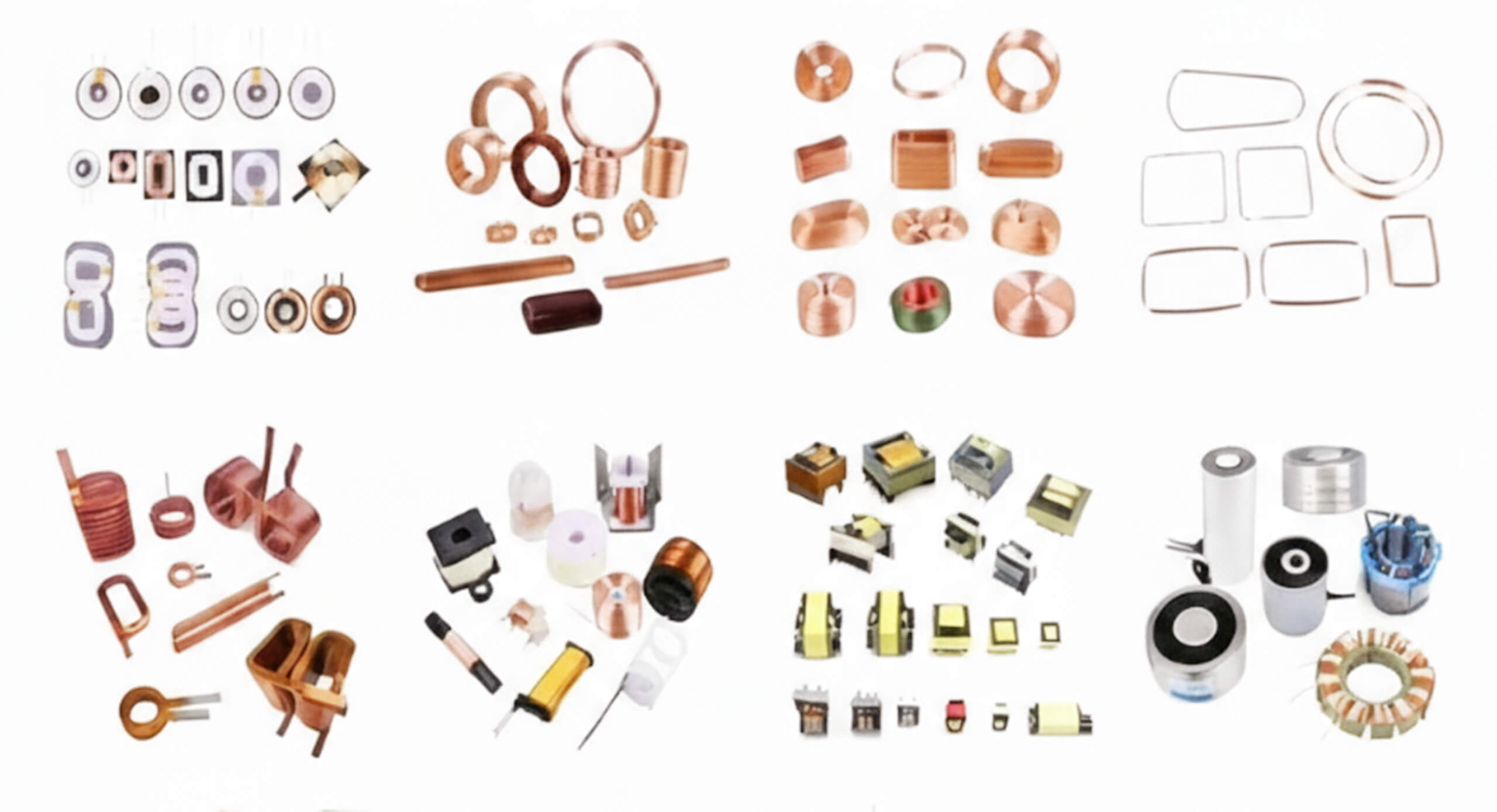
Let's break this down further. An inductor's job is to store energy in a magnetic field. Cored inductors, like those with ferrite or iron powder cores, use that material to concentrate the magnetic field. This is a great way to get a lot of inductance in a small package. It's why you see them in power supplies and low-frequency filters.
However, these core materials aren't perfect. At high frequencies, they start to lose energy through processes called hysteresis and eddy currents. This energy loss generates heat and distorts the signal. The core can also become "saturated" at high currents, causing the inductance value to drop suddenly. I remember a client who struggled with an RF amplifier design. The signal was clipping unexpectedly. We discovered their ferrite inductor was saturating. We switched them to a custom air core inductor, and the problem vanished. The air core provided the linearity they needed.
Here is a simple table to compare them:
| Feature | Air Core Inductor | Cored Inductor (Ferrite/Iron) |
|---|---|---|
| Core Material | Air (non-magnetic) | Ferrite or Iron Powder (magnetic) |
| Inductance | Lower for a given size | Higher for a given size |
| Core Losses | None | Hysteresis & Eddy Current Losses |
| Frequency Range | Excellent at High Frequencies (RF) | Best for Low to Medium Frequencies |
| Q Factor | Very High at high frequencies | Lower at high frequencies |
| Saturation | No saturation, very linear | Can saturate at high currents |
This is why, as a custom coil winding factory, we see huge demand for air core coils in high-performance applications. They are predictable and efficient.
What Are the Key Parameters of an Air Core Inductor?
You've decided on an air core inductor, but the datasheet is full of technical terms. Misinterpreting parameters like Q factor or SRF can lead to a component that doesn't work. Let's break down the most important specs so you can select with confidence.
Key parameters include inductance (L), Quality Factor (Q), and Self-Resonant Frequency (SRF). Inductance determines energy storage. Q factor measures efficiency (high Q is good). SRF is the frequency where the inductor stops working correctly, so you must operate below it.
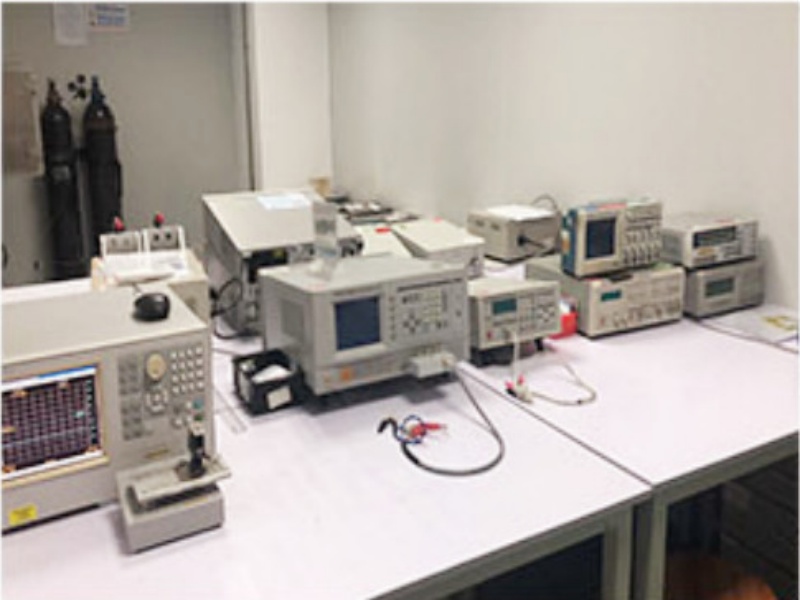
When we design a custom coil, these are the three specs we focus on the most.
Inductance (L)
This is the main property of an inductor. It's measured in Henries (H), but more commonly in microhenries (µH) or millihenries (mH) for air core coils. For an air core inductor, the inductance value is determined only by its physical shape: the number of turns of wire, the diameter of the coil, and the length of the winding. It is not affected by the amount of current passing through it. This stability is a huge advantage.
Try an air-core coil design.
Change inner dimensions, wire size and turns to compare estimated inductance, outer size and copper weight.
Open the air-core calculatorChoose a supported round or rectangular winding and review the model limits.
Quality Factor (Q)
The Q factor tells you how efficient the inductor is. It's the ratio of its inductive reactance (its useful property) to its resistance (its lossy property). A high Q factor means the inductor loses very little energy. Air core inductors are famous for their high Q at high frequencies because they have no core losses. The only loss comes from the resistance of the wire itself.
Self-Resonant Frequency (SRF)
This one is critical. The wires in a coil have a tiny amount of capacitance between them, called distributed capacitance. As the frequency increases, the inductor acts more and more like a capacitor. The SRF is the exact frequency where the inductor's properties are canceled out by this internal capacitance. Above the SRF, the component no longer behaves like an inductor. So, you must always choose an inductor with an SRF well above your circuit's operating frequency. We can use special winding techniques, like honeycomb winding, to reduce this capacitance and push the SRF higher.
Where Are Air Core Inductors Commonly Used?
You know the theory, but where do these components actually make a difference? Using the wrong component in an application can be an expensive mistake. Let's look at the specific applications where air core inductors are the go-to choice.
Air core inductors excel in high-frequency circuits. They are commonly found in RF tuning circuits, filters, oscillators, and RFID antennas. Their excellent linearity and high Q factor make them perfect for applications where signal integrity is paramount.

As an ISO-certified manufacturer specializing in custom coil winding, we see these components used in some very exciting technologies.
RF Circuits
In radio frequency (RF) circuits, like those in tuners and filters, you need very precise and stable inductance. Air core inductors are perfect here. Because their inductance doesn't change with current (no saturation) and they have a high Q factor, they can help create very sharp filters. This allows a radio receiver to select a desired station while rejecting others. They are the heart of many oscillator circuits that generate stable RF signals.
RFID and NFC Systems
This is a huge area for us. The antenna in an RFID tag or an NFC-enabled device (like your smartphone for payments) is an air core inductor. It needs to be efficient at transferring power and data wirelessly over a short distance. The high Q factor of an air core coil is essential for maximizing this efficiency and achieving a good read range. The lightweight nature of these coils is also a major benefit, especially in portable devices and tags.
Wireless Charging
Similar to RFID, wireless charging systems rely on two inductors to transfer power. Many of these coils, especially the receiver coil in a phone or smartwatch, are air core inductors. They must be efficient to minimize heat and charge the battery quickly. Their simple, lightweight construction is ideal for these applications. We produce many custom wireless charging coils, and the air core design is by far the most popular for receiver applications.
Conclusion
In short, air core inductors are coreless coils perfect for high-frequency jobs. They offer a high Q factor, no core loss, and great linearity, making them ideal for RF circuits, RFID, and wireless charging.