Puzzled by that glossy coat on coils? Wires have insulation, but they can still fail from vibration and moisture. Varnish is the key to protecting them and ensuring reliability.
Varnish is applied to coils to significantly improve their performance and durability. This secondary insulation protects windings from mechanical damage, vibration, and moisture. It also enhances dielectric strength1 and helps dissipate heat, ensuring the coil operates reliably for a long time.
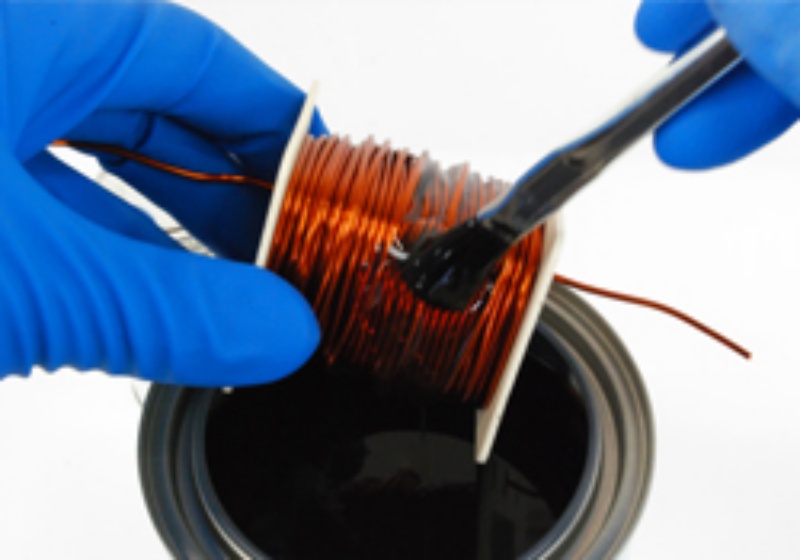
So, we know varnish is essential for protection. I often think of it as an extra suit of armor for the coil windings. It takes a perfectly good coil and makes it tough enough for real-world use. But you might be thinking this sounds complicated. How do we actually get this protective layer onto the coil? It’s a more precise process than you might think, and choosing the right method is critical for the final product.
How Do We Apply Varnish to Coils?
Applying varnish seems simple, but the wrong method leads to poor protection and waste. We need consistent results. Understanding the different techniques ensures perfect coverage for every coil.
Varnish is applied in liquid form by spraying, brushing, or trickling. The method depends on coil size and production rate. Industrial techniques like dip and bake or vacuum pressure impregnation (VPI) ensure deep penetration. Solvents are often used to adjust viscosity for easier application.
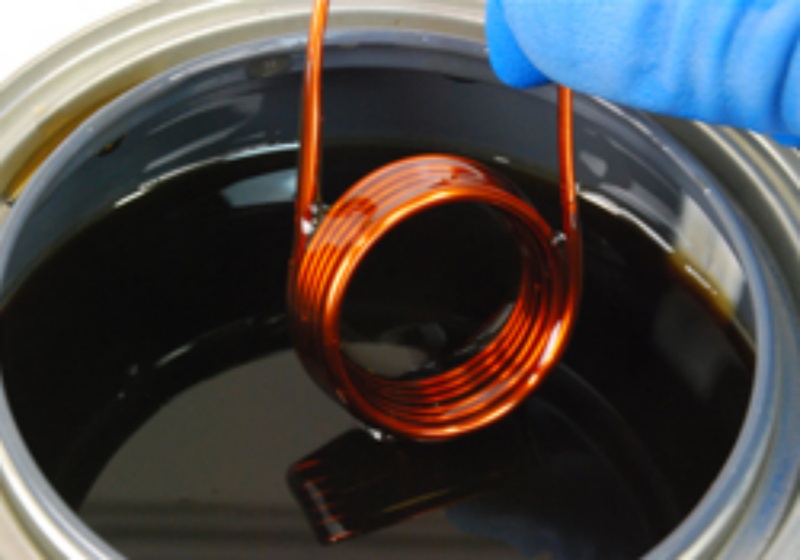
At our factory, we see every type of coil, and each one has its own best varnishing method. For small batches or prototypes, a simple brush or spray application might work. It's quick and easy. But for mass production, we need more advanced, repeatable methods. The goal is to get the varnish not just on the coil, but inside it, filling all the tiny air gaps between the wires. This is what we call impregnation.
Here’s a breakdown of the main industrial methods we use:
| Method | Best For | How It Works |
|---|---|---|
| Dip and Bake | General purpose, medium to large volume | Coils are dipped in a varnish tank, removed, and then baked in an oven to cure. |
| Vacuum Pressure Impregnation (VPI) | High-voltage, critical applications | Coils are placed in a chamber. A vacuum removes air, then varnish is introduced under pressure. |
| Trickle Impregnation | High-volume, automated production (e.g., motors) | Pre-heated coils are rotated while varnish is "trickled" onto them, curing as it goes. |
The VPI process is my personal favorite for high-performance coils. By removing all the air first, we ensure the varnish penetrates every single gap. This creates a solid, void-free mass that is incredibly strong and has amazing insulating properties.
We also carefully manage the varnish viscosity using solvents. If it’s too thick, it won’t flow. If it’s too thin, it won’t provide enough protection. After application, curing is just as important. While some coils can air dry in 3-6 hours, we use controlled ovens to ensure a consistent, hard finish every time.
What Are the Real Benefits of Varnishing Coils?
Is varnishing coils worth the cost and effort? Skipping it seems like a shortcut, but it risks catastrophic failure. The benefits far outweigh the process, ensuring long-term product reliability.
Varnishing offers crucial benefits. It protects against mechanical damage, dampens harmful vibrations, and seals the coil from moisture and dust. It also increases dielectric strength and improves heat dissipation2. This combination significantly boosts the coil's reliability and lifespan.
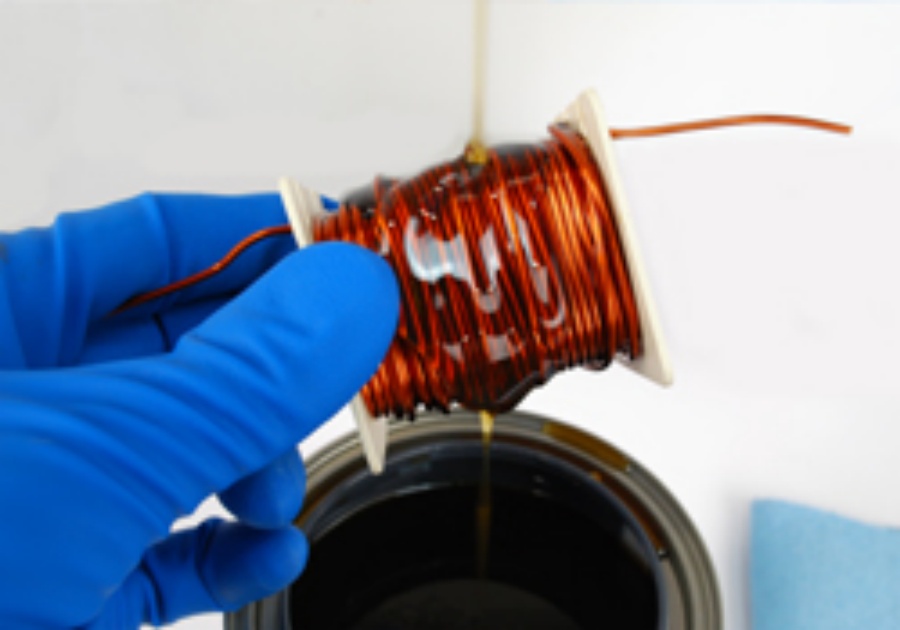
Let's dive deeper into these benefits. A wire’s thin enamel coating is just primary insulation. It’s great for preventing shorts between turns, but it’s not enough to handle the stress of the real world. That's where varnish, or secondary insulation, comes in. I remember a client who had issues with coils failing in a humid environment. Once we started applying a VPI varnish process for their custom coils, the field failures dropped to nearly zero. It showed us firsthand how vital this step is.
Mechanical and Environmental Protection
The most obvious benefit is physical toughness. The varnish acts like glue, bonding all the windings together into a single solid unit. This stops the wires from rubbing against each other, which can happen from tiny vibrations in devices like motors or transformers.
Over time, that rubbing can wear away the primary insulation and cause a short. The varnish immobilizes the windings and dampens these vibrations. It also creates a hard shell that seals the coil from the outside world. This barrier prevents moisture, dust, and other contaminants from getting in and causing corrosion or electrical shorts.
Electrical and Thermal Improvement
Varnish also makes the coil a better electrical and thermal component. By filling the air gaps between the wires, it dramatically increases the overall dielectric strength. Air can ionize and cause an electrical breakdown, but varnish is a much better insulator.
This is especially important for high-voltage coils. At the same time, those air gaps also trap heat. Heat is the enemy of all electronic components. The varnish fills these gaps and provides a much better path for heat to travel from the inner windings to the outside air or the coil's core. This improved heat dissipation allows the coil to run cooler, extending its life and improving its performance.
Conclusion
In short, varnishing isn't optional. It’s a vital process that protects coils from damage, improves insulation, and manages heat. This simple step ensures your electronic components perform reliably.