Unwanted electronic noise is ruining your device's performance. This interference can cause failures and costly redesigns. Proper electromagnetic shielding is your key to solving this problem.
The best way to implement electromagnetic shielding is by using a combination of conductive or magnetic materials to block fields and proper design techniques. This includes using enclosures, shielded cables, and considering component layout early in the design process to minimize electromagnetic interference (EMI).
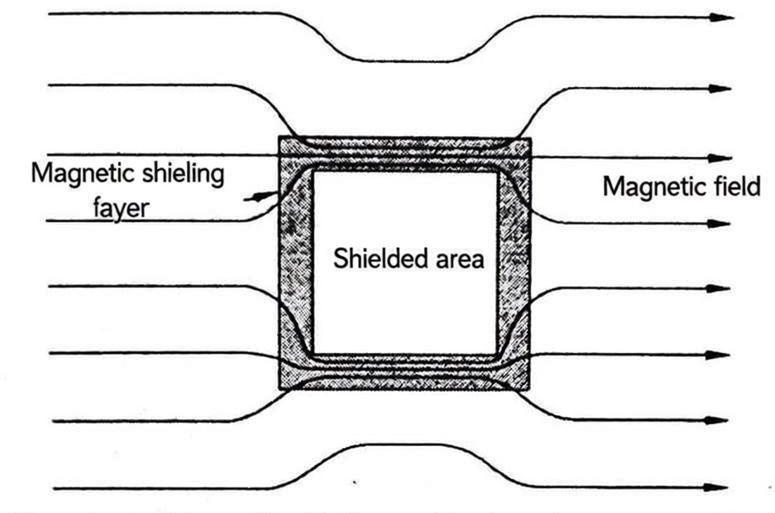
I've seen many projects struggle with EMI late in development. It's a frustrating problem that can delay a product launch. But understanding the core principles can save you a lot of time and money. Let's break down how you can get it right from the start and build a reliable product.
How Do You Choose the Right Shielding Material?
You need to shield your device, but there are so many material options. Choosing the wrong one means wasted money and, worse, ineffective shielding. The solution is to understand the frequency and type of field.
For high-frequency electric fields, use highly conductive materials like copper or aluminum. For low-frequency magnetic fields, you need high-permeability materials like mu-metal or steel. The choice depends entirely on the specific application and the nature of the interference you need to block.
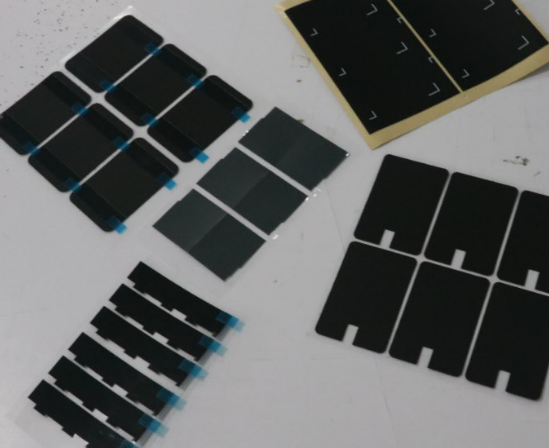
Choosing the right material is the foundation of good shielding. It is not a one-size-fits-all situation. The physics of the interference dictates your choice. In my years of experience, I have seen engineers waste budgets on expensive materials when a simpler one would have worked better. The first step is to identify what you are trying to block.
Electric Fields vs. Magnetic Fields
Electric fields (E-fields) come from voltage. They are relatively easy to shield. You just need to put a conductive surface in their path. Magnetic fields (H-fields) come from current. Low-frequency magnetic fields are much harder to block and require different materials.
Material Properties to Consider
We can break down the material properties into a simple table.
| Property | Best For | Common Materials | How It Works |
|---|---|---|---|
| Conductivity | High-Frequency E-Fields | Copper, Aluminum, Silver | Reflects the electromagnetic waves. |
| Permeability | Low-Frequency H-Fields | Mu-Metal, Steel, Ferrites | Absorbs and redirects the magnetic field lines. |
| Thickness | Both (especially low-freq) | All materials listed | More thickness generally means better shielding performance (attenuation). |
For example, in my work with custom coils, we often deal with magnetic fields. If a client's design has a sensitive component near one of our air core coils, we might suggest a shield made of a high-permeability material. We need to absorb the magnetic field lines. But if the issue is high-frequency noise from a digital circuit, a simple copper foil enclosure might be enough to reflect it. It's all about reflection versus absorption.
What Are The Most Common Shielding Techniques in Electronics?
Your components are shielded, but your device still fails EMI tests. The problem might be the connections and gaps between them. The solution is to implement system-level shielding techniques.
Common techniques include using metal enclosures (Faraday cages), applying conductive gaskets to seal gaps, and using shielded cables with proper grounding. On the PCB level, techniques like ground planes and careful trace routing are also crucial forms of shielding against EMI.
A perfect material is useless if it's not applied correctly. Shielding is a system. Every part has to work together. I have seen beautifully designed products fail because of a small, unshielded gap or an improperly grounded cable. You must think about the entire system, not just individual parts.
The Enclosure as a Faraday Cage
A metal box, or enclosure, is the most common form of shielding. It acts as a Faraday cage. It blocks electric fields and reflects electromagnetic waves. However, any hole or gap in the enclosure can leak EMI. This includes seams, display openings, and ventilation holes. You often need conductive gaskets or mesh to seal these gaps properly.
Shielding Cables and Connectors
Cables are like antennas. They can radiate noise out or pick noise up from the environment. A shielded cable has a conductive layer, like a braid or foil, around the inner wires. This shield must be connected 360 degrees to the connector shell. Then, the connector must be properly grounded to the chassis. I've seen expensive shielded cables fail because the shield wasn't terminated correctly. It becomes useless.
PCB-Level Shielding
Shielding starts on the printed circuit board (PCB). A solid ground plane under your signal traces is a very effective shield. It provides a short return path for currents, which minimizes the loop area that can radiate EMI. For very sensitive or very noisy components, like RF modules, we use board-level shields. These are small metal cans soldered directly onto the PCB over the components.
Does Coil Design Affect Electromagnetic Shielding Needs?
Your device has a powerful coil, and it's creating interference everywhere. Shielding it is adding bulk, weight, and cost to your product. Perhaps a different coil design is the answer.
Yes, absolutely. The coil's geometry directly impacts its external magnetic field. An open design like a solenoid projects a large field, often requiring external shielding. A closed-path design like a toroid contains most of its magnetic field within the core, acting as a "self-shielding" component.
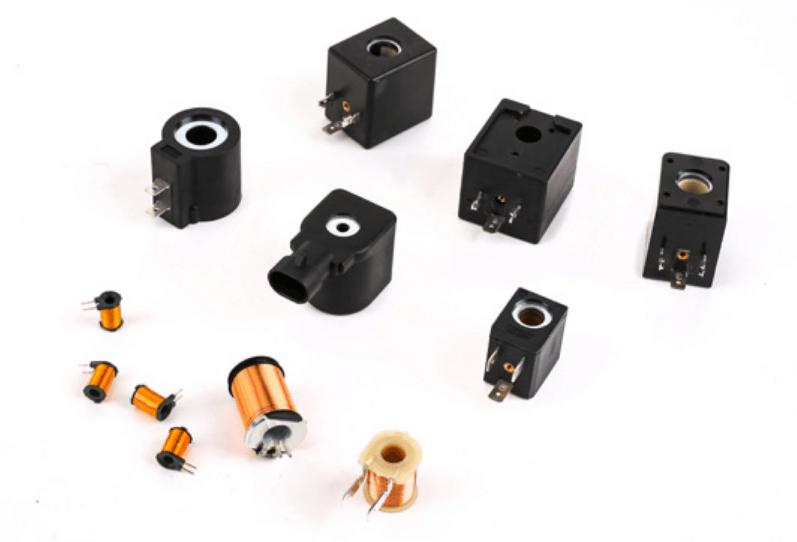
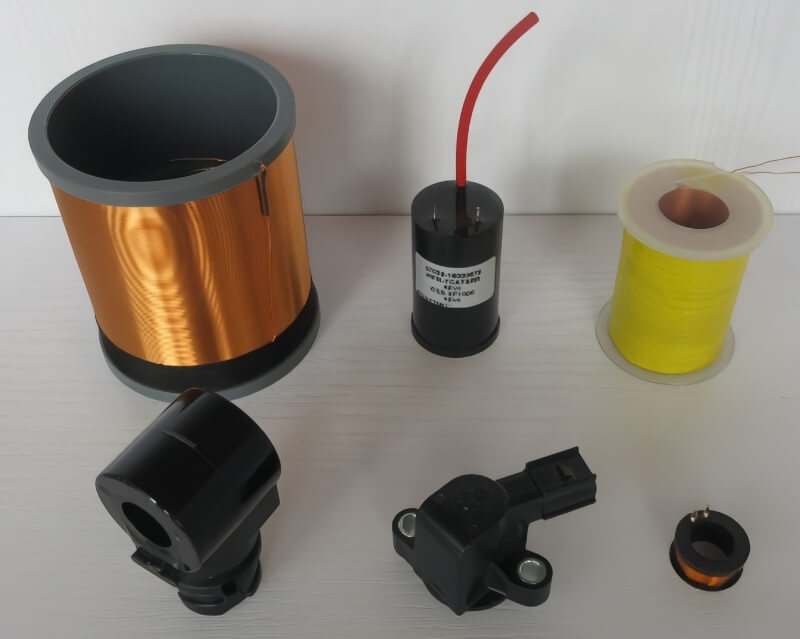
This is a topic very close to my work. As a custom coil manufacturer, we don't just wind coils; we help our clients solve problems. And one of the biggest problems with inductors and transformers is their stray magnetic field. Sometimes, the best shield is a better coil design. Instead of adding a shield later, you can design the problem out from the beginning.
Open Field vs. Closed Field Coils
Think about the shape of the coil. A simple solenoid or air core coil is an "open" magnetic structure. Its magnetic field lines loop far outside the coil body. This is great if the coil is an antenna, but bad if it's next to a sensitive microprocessor. A toroidal coil, which is wound on a donut-shaped core, is a "closed" magnetic structure. The field lines stay contained within the core material.
| Coil Type | Magnetic Field | Shielding Need | Our Typical Application Advice |
|---|---|---|---|
| Solenoid / Air Core | Open, far-reaching | High | Best for wireless charging and antennas. Placement is critical. |
| Toroid | Closed, contained | Low / None | Excellent for power supply filters where low EMI is essential. |
| Pot Core / E-Core | Mostly Contained | Very Low | Good for compact transformers with built-in shielding. |
At our ISO-certified factory, we make thousands of custom air core coils for wireless charging systems. They are efficient and cost-effective. But we always consult with our clients about placement. We have to consider what other components are nearby. Sometimes, just changing the coil's orientation by 90 degrees can solve an interference problem. Other times, we might suggest switching to a toroidal design if EMI is a major concern. A toroid might be more complex to wind, but it can eliminate the need for a separate, heavy shield. This saves space, weight, and cost in the final product.
Conclusion
Implementing effective electromagnetic shielding involves choosing the right materials, using proper techniques, and considering component design, like your coils, from the very beginning of your project.