Struggling to get the right performance from your custom coils? The winding technique you choose is critical. It can make or break your entire product design.
Orthocyclic winding precisely arranges wires in a dense, honeycomb pattern to maximize electrical performance and fit the most turns into a small space. Random winding, or "scramble winding," is a faster, less precise method suitable for applications where cost and speed are more important than peak performance.
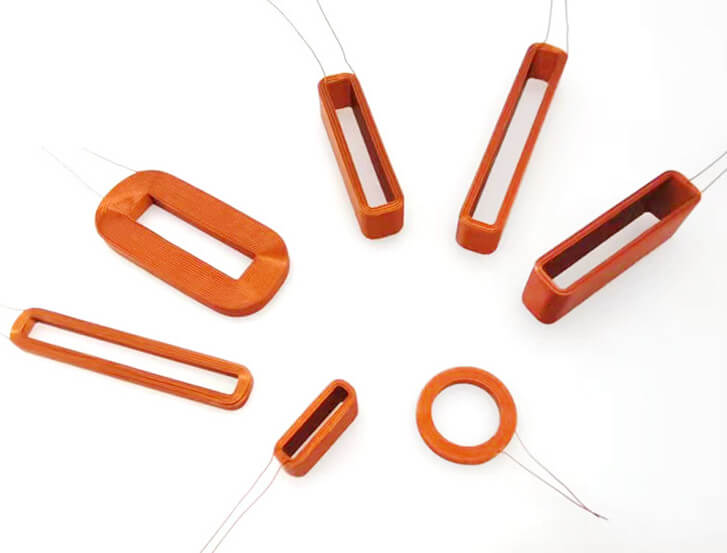
Choosing the right winding method is a fundamental decision in coil design. It impacts everything from the coil's electrical properties to its final cost and production time. As a manufacturer, I've seen countless projects succeed or fail based on this single choice. You need to understand the strengths and weaknesses of each technique to ensure your project's success. Let's dive deeper into what makes each method unique and when you should use them.
How Does Orthocyclic Winding Maximize Coil Performance?
Your design needs the highest possible inductance, but space is extremely tight. Standard winding methods just can't pack the wires densely enough, compromising your device's function.
Orthocyclic winding solves this by layering wires in the most geometrically efficient way possible. This tight packing minimizes wasted space, allowing for more turns within the same volume. This directly increases the coil's inductance and Q factor, delivering maximum electrical performance.
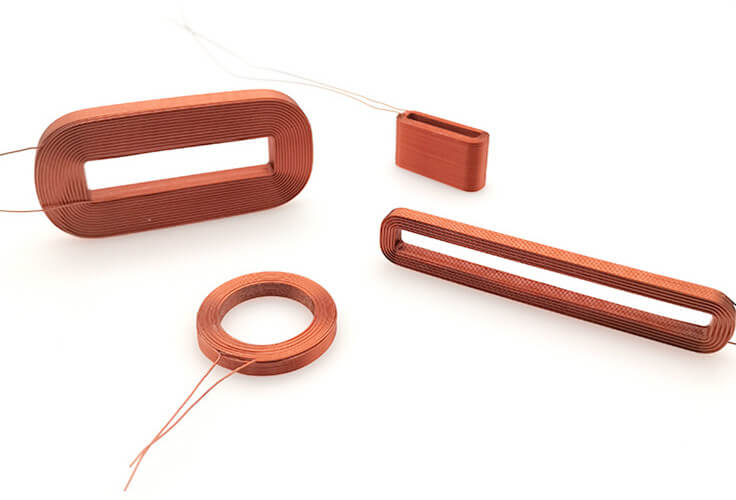
Orthocyclic winding is all about precision and order. The name "orthocyclic" refers to the way the wires of one layer nest perfectly into the grooves of the layer below it. Think of it like stacking oranges at a grocery store; the tightest pack is a structured, repeating pattern. This method achieves the highest possible copper fill factor, meaning more wire and less air in a given space. I remember working on a high-frequency wireless charging coil for a client. The design demanded an extremely high Q factor to ensure efficient power transfer. Any other method would have resulted in too much energy loss. By using orthocyclic winding, we were able to meet their strict performance targets in a very slim profile. However, this level of perfection doesn't come easy.
The Four Pillars of Precision
Achieving a perfect orthocyclic coil depends on controlling four key variables. If any one of these is off, the entire structure can fail, and the winding will become messy and inefficient. We have spent years perfecting our process to manage these elements.
| Requirement | Why It's Critical |
|---|---|
| Stable Wire Diameter | Even the smallest variation in the wire's thickness can disrupt the pattern. It causes wires to pop out of place, creating gaps and ruining the dense structure. |
| Stable Tension Control | The wire must be fed onto the bobbin with constant, unwavering tension. Too much tension stretches the wire, and too little causes loose, sloppy layers. |
| Precision Winding Equipment | Standard machines can't do this. You need advanced CNC winding machines with precise traverse and spindle control to place each turn exactly where it needs to go. |
| Smart Winding Program | A skilled engineer must program the machine's movements. This program must account for the wire diameter and the geometry of the coil to build the perfect layered structure. |
See how wire placement changes capacity.
Compare supported regular winding arrangements and inspect the resulting layers, build and wire usage.
Explore winding capacityThe displayed arrangement is a geometric estimate, not a simulation of random winding.
When is Random Winding the Smarter Choice?
You need to test a new product concept quickly. Waiting for a complex, precision-wound coil is too slow and expensive for a simple prototype. This delay can stall your entire project.
Random winding, also known as scramble winding, is the ideal solution for rapid prototyping and cost-sensitive projects. Its speed and lower complexity make it perfect for creating functional samples quickly when peak electrical performance is not the top priority.
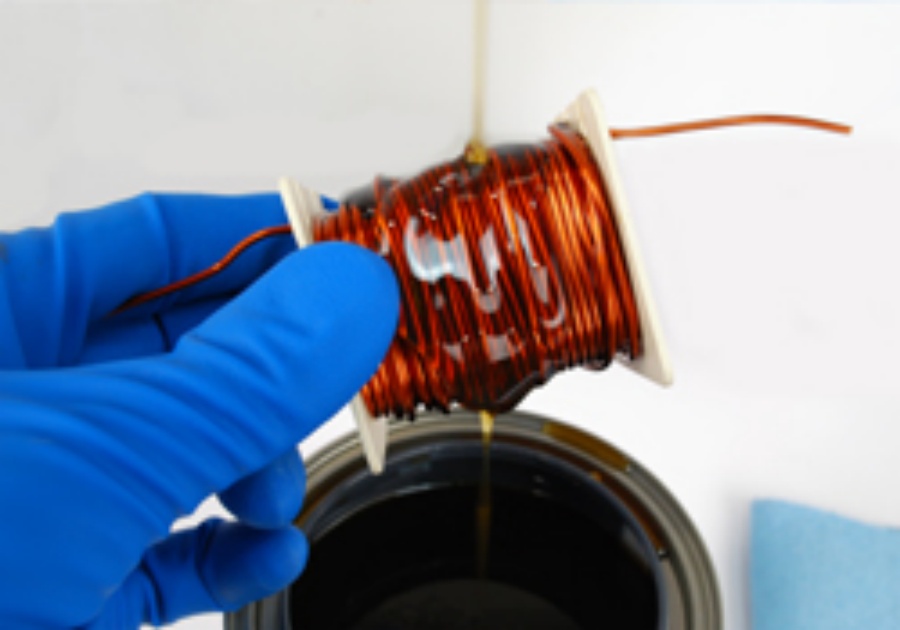
While orthocyclic winding is the peak of performance, it's not always necessary or practical. Random winding is the workhorse of the coil industry for many applications. As the name suggests, the wire is wound onto the bobbin without a precise layer-by-layer pattern. This makes the process much faster and more forgiving than orthocyclic winding. We often work with R&D departments at electronics design firms. They might need to test five different inductor values for a new circuit. Using random winding, we can produce these test coils in a fraction of the time and cost, allowing them to iterate and finalize their design much faster. It's the perfect tool for validation and testing before committing to a more complex and expensive manufacturing process.
Speed, Simplicity, and Suitability
The main advantage of random winding is its efficiency. The setup is simpler, and the winding machines can run at much higher speeds. This directly translates to lower labor costs and faster turnaround times, which is a huge benefit for projects with tight deadlines or budgets. However, this speed comes with a trade-off. The random arrangement of wires creates more air gaps, resulting in a lower copper fill factor. This means that for a given size, a randomly wound coil will have lower inductance and a lower Q factor compared to an orthocyclic one.
It's best for applications where the coil's job is less demanding.
| Feature | Orthocyclic Winding | Random Winding |
|---|---|---|
| Performance | Highest inductance and Q factor. Very stable. | Lower performance. More variation between coils. |
| Cost | Higher due to specialized machinery and slower process. | Lower due to faster speeds and simpler setup. |
| Speed | Slow and meticulous. | Very fast production. |
| Best For | Wireless charging, medical sensors, high-frequency circuits. | Prototyping, solenoids, relays, low-frequency chokes. |
| Complexity | High. Requires precise control over all variables. | Low. Very forgiving process. |
How Do You Choose the Right Winding for Your Project?
You now understand the difference between the two techniques. But you're still not sure which one is the right fit for your specific application. Making the wrong call can lead to performance issues or unnecessary costs.
Choose orthocyclic winding when your application demands the highest possible electrical performance in a limited space. Opt for random winding for rapid prototypes, cost-sensitive projects, or when electrical specifications are not the most critical factor in your design.
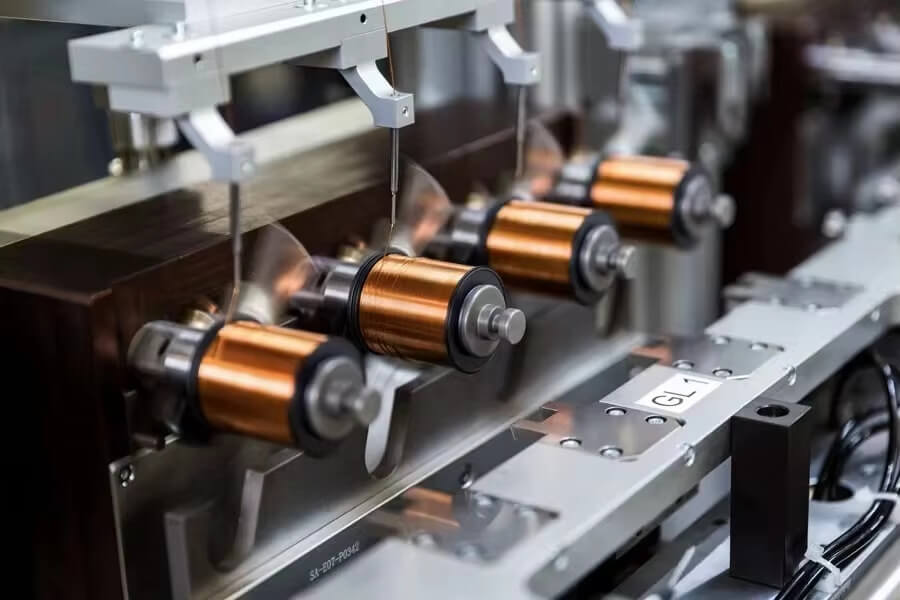
The choice really comes down to balancing three things: performance, cost, and time. There is no single "best" method; there is only the "best" method for your project. I always tell my clients to start by defining their "must-haves." Is hitting a specific Q factor non-negotiable? Or is getting a prototype by next week the top priority? Answering this question is the first step. For example, a customer developing a high-end RFID reader needed absolute consistency and range, so we immediately knew orthocyclic winding was the only option. In contrast, another customer building a simple door lock solenoid just needed a functional part at the lowest possible price, making random winding the obvious choice.
A Practical Decision Guide
To make it even simpler, ask yourself a few key questions about your project. Your answers will point you directly to the right winding technique. Use this table as a guide to think through your requirements and make an informed decision.
| Project Factor | Consider Orthocyclic Winding If... | Consider Random Winding If... |
|---|---|---|
| Performance Needs | Your design requires the highest possible inductance, Q factor, or coupling factor. Performance is critical for function (e.g., medical device, wireless charger). | The coil's electrical properties are flexible. It's used in a less demanding application like a simple switch or actuator. |
| Budget Constraints | You have a sufficient budget to invest in a premium component that guarantees performance. The cost of failure is high. | You need the most cost-effective solution. The project is highly price-sensitive, and "good enough" performance is acceptable. |
| Production Volume | You are in mass production and need extreme consistency from one coil to the next. Repeatability is key. | You need a small batch of coils for testing or a low-volume production run. Minor variations between coils are acceptable. |
| Physical Size | The coil must fit into an extremely small or thin space. You need to maximize the number of turns in a fixed volume. | You have some flexibility on the final size of the coil. A slightly larger coil to achieve the desired inductance is not a problem. |
| Project Stage | You are in the final design or mass production phase. The design is locked, and performance must be guaranteed. | You are in the early prototyping or concept validation stage. You need to test different ideas quickly and cheaply. |
Conclusion
Choosing between orthocyclic and random winding depends on your project's goals. Orthocyclic winding delivers precision for high-performance needs, while random winding offers speed and cost-effectiveness for prototypes and simpler applications.